BLANKETS IN RCF CERAMIC FIBER, AES ECOLOGICAL FIBER and POLYCRYSTALLINE
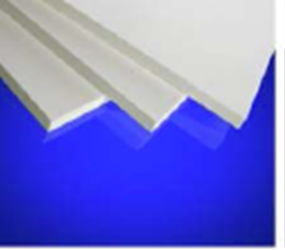
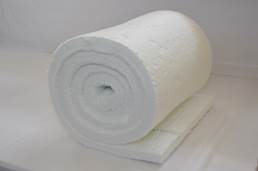
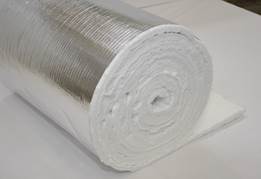
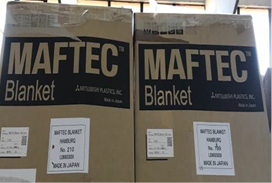
The blankets are made from long fibers and are available in a wide range of densities and thicknesses. They have remarkable high-temperature insulation properties, excellent thermal stability, and retain a soft fibrous structure up to their classification temperature. The blankets are needle-processed on both sides and have an excellent tensile strength both before and after heating. They do not contain binders or lubricants and therefore do not emit smokes or odors as they rise in temperature. Flexible, easy to cut and install, they are available in various thicknesses and densities. The blankets are suitable for medium and high temperature industrial applications.
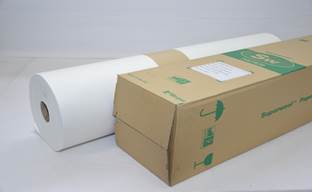
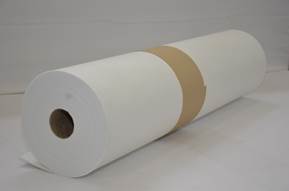
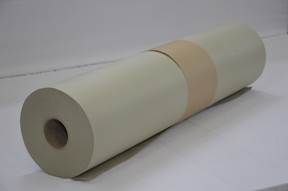
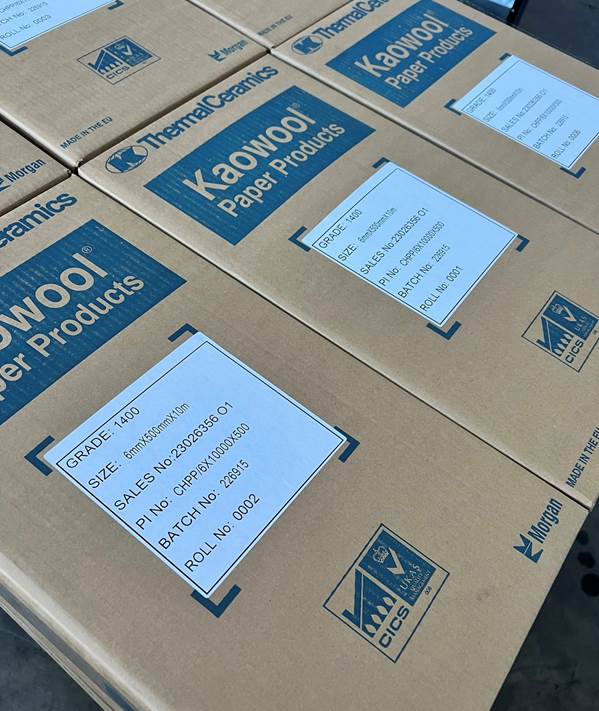
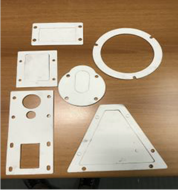
Ceramic paper is composed of fibers and a small percentage of organic binders which facilitate its cold handling. Paper is an insulating product, composed of fibers bonded with a small percentage of organic binders. It has excellent insulating characteristics and exceptional ease of handling, very flexible and resistant to lacerations, they lend themselves particularly well to any type of processing (gluing, cutting, wrapping, folding). During the first heating between 180°C and 300°C the organic binder burns without residues. Ideal for expansion joints or industrial gaskets obtained by die cutting or water cutting using a waterjet machine. There are different thicknesses ranging from 0.5mm to 10mm depending on the quality of the paper and the application, furthermore on request there is the possibility of supplying large Jumbo Rolls.
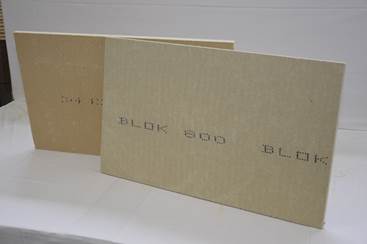
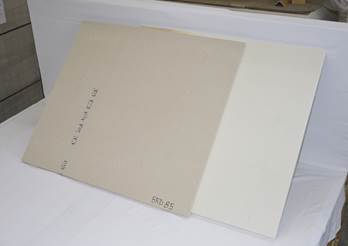
BLOK and BOARD - RCF AND ECOLOGICAL AES CERAMIC FIBER SHEETS
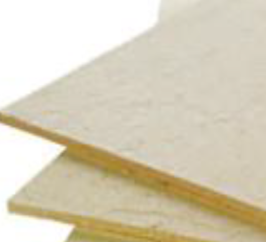
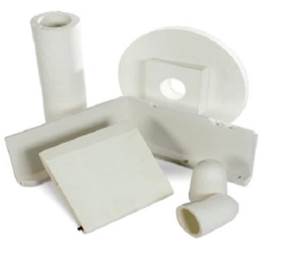
Ceramic fiber sheets are sheets made from refractory fibers. They are supplied in panels of standard thicknesses produced from a mixture of refractory fibers and binders with a low content organic. The combination of different refractory fibers, organic and inorganic fillers and binders has made it possible to create panels suitable for different temperatures. In most thermal equipment, the fumes generated by the combustion of organic binders can be easily eliminated. Very resistant to thermal shocks, these panels can withstand sudden temperature variations without damage and have low thermal conductivity.
Blok slabs format 1000 x 600mm
Board slabs format 1200 x 1000 mm
Felts Format 1220 x 1070mm.
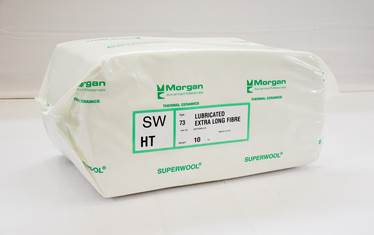
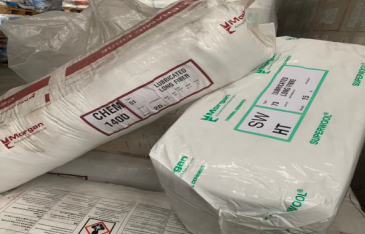
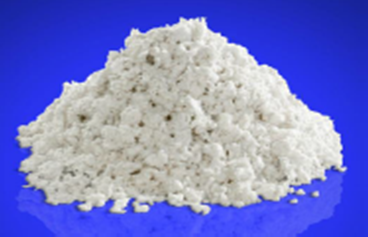
The staple fiber consists of a set of long or short fibers depending on the type, non-oriented, with a soft appearance, ideal for filling cavities. They have excellent thermal stability and retain their soft fibrous structure up to the classification temperature, they do not contain binders but only a small quantity of lubricants in the traditional version, while there is a type without lubricants suitable for making fibrous mastics.
RCF AND AES VACUUM CERAMIC FIBER – VACUUM FORMED BY DRAWING (VF)
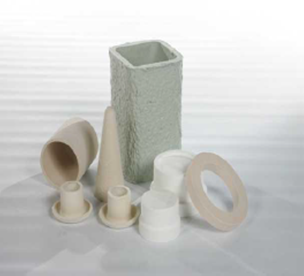
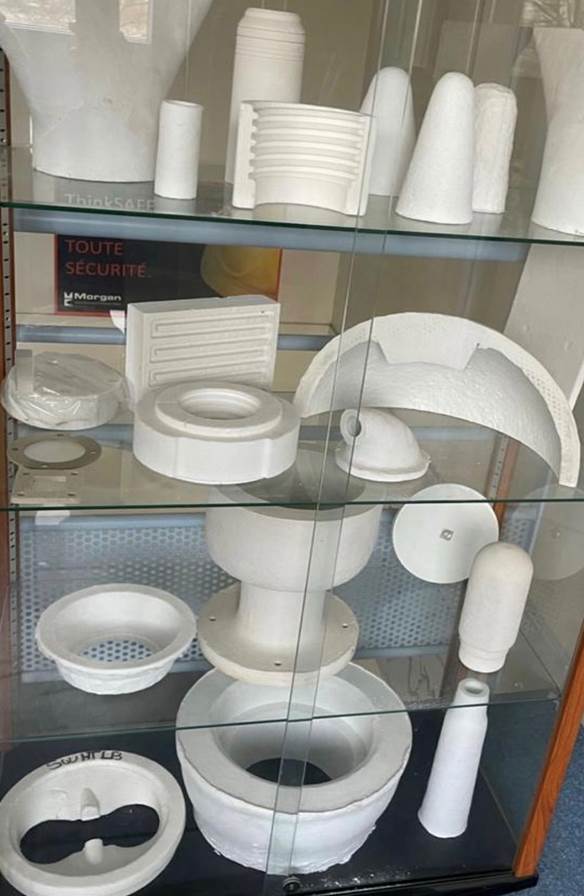
Designed using the vacuum forming technology, based on high temperature insulating wool usually used for: Casting channels for ferrous and non-ferrous metals, Insulation of stoppers, Back-up ladles, Insulation of continuous casting bags, Roller passes of industrial furnaces, Forming molds of glass, Insulation of boiler tube bundle heads, Insulation of household appliances, etc. Easy to use, “Customized” shapes, Low thermal conductivity, Good resistance to erosion and rigidity, Excellent mechanical strength properties, Low thermal capacity and lightness, Good performance, Resistance to molten steel and iron, Does not react with bricks aluminous in applications at the operating temperature. Possibility of hardening the designed details with specific treatment.
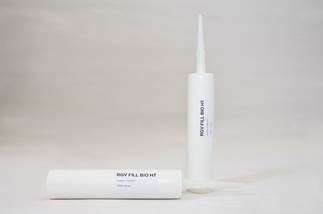
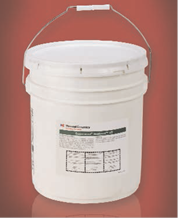
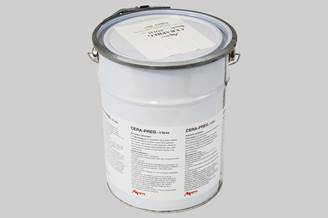
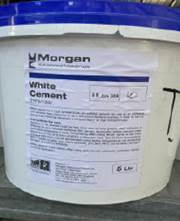
Creamy white / light gray paste, fibrous mastic useful for grouting or gluing on refractory products in general, such as:
- ladles and preformed ceramic "shells" (ceramic components in general);
- fused silica compounds;
- refractory bricks (dense and/or insulating);
- gaps created between the carpentry and the insulation of thermal systems (industrial ovens, boilers, etc.). Specific for the non-ferrous alloy metallurgical industry and for industrial heating systems (dryers, ovens, boilers, etc.)
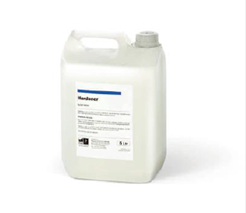
Spray-installed material that can be applied on the fibrous linings of industrial ovens to extend their life and avoid dusting of fibrous particles into the environment.